





In the hills southeast of Caracas, the San Román Veterinary Center—located in a remodeled former house with minimalist interiors—offers 24-hour emergency services for pets. On Avenida Francisco de Miranda in Chacao, a Kantal billboard displays dog biscuits. In Valencia, following a local edition of the regional León Veterinary Congress, which featured a dozen national and international speakers and the presence of more than fifty brands, the first-ever dog grooming fest was held at the end of September. The Razas Clinic in Las Mercedes—with its iconic logo of a cartoonish orange dog—provides round-the-clock care (and grooming) for dogs and cats, offering services ranging from ophthalmological and dermatological to cardiological and neurological. Even Empresas Polar—with its Dougourmet dog food—has sought to win over golden retrievers, Yorkshire terriers, and German shepherds alike.
The pet business is no longer an eccentric luxury in Venezuela: it’s booming. “There’s a boom in veterinary services, in food from competitors of the major traditional brands, and in new services such as pet-related parties, pet funeral services, and pet training,” explains economist Asdrúbal Oliveros. According to his estimates, this boom is largely due to the drive of a percentage of the Venezuelan population—around 15%—that has “a considerable willingness to spend on pets,” says Oliveros. However, the phenomenon isn’t limited to the wealthiest: “Even in middle and lower-class sectors, pet expenses can increase within their means, and the key is finding products or services that are affordable,” he explains.
This aligns with a global and generational trend: “Starting with millennials , the decision to have fewer children has been gaining momentum, and as a result, there’s a much greater focus on pets,” he says. In other words, dogs and cats are no longer seen merely as companions, but as family members, which significantly increases the emotional investment in their care. Samuel Sánchez, a trainer and pet sitter, also links this to a global phenomenon: “Spain was the first country to have more pets than children in 2014, and something similar is happening in Venezuela: young couples prefer to start with a pet rather than children,” he says. The pandemic accelerated this trend, with families adding dogs and cats during those months of lockdown.
And the sector’s potential is enormous: Oliveros estimates that, if political and economic conditions normalize, the Venezuelan pet market could reach a value of up to $2 billion—around 2% of the current GDP—in the coming years. Today it barely reaches between 10% and 15% of that size, says Oliveros, but the trend is upward. For Sánchez, demand remains strong: the pet sector is growing between 15% and 20% annually, according to figures from industry specialists.
The changes are visible on the street. The relationship with pets has gone from being episodic—feeding them and taking them to the vet in case of emergency—to becoming a permanent bond of care. Specialized foods, premium treats, and even clothing are emerging; trainers and socialization services are proliferating; veterinarians no longer limit themselves to handling emergencies but establish routine checkups. The key, Oliveros emphasizes, will be to make these offerings more widely available: quality products at accessible prices, capable of winning over the mass market as well.
Diets, mansions and boutiques for dogs
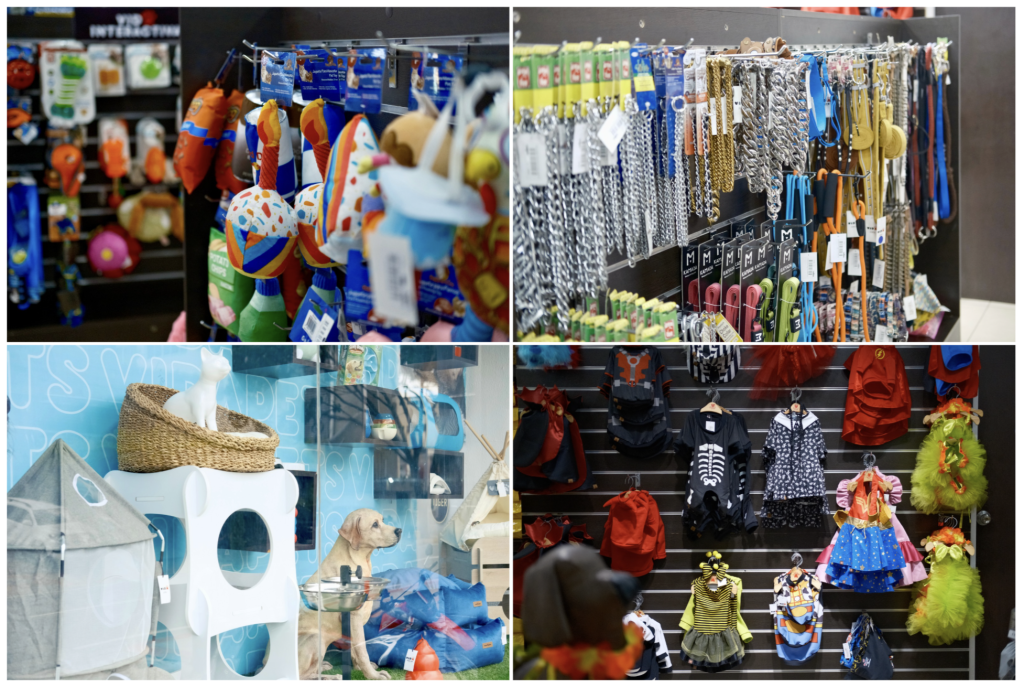
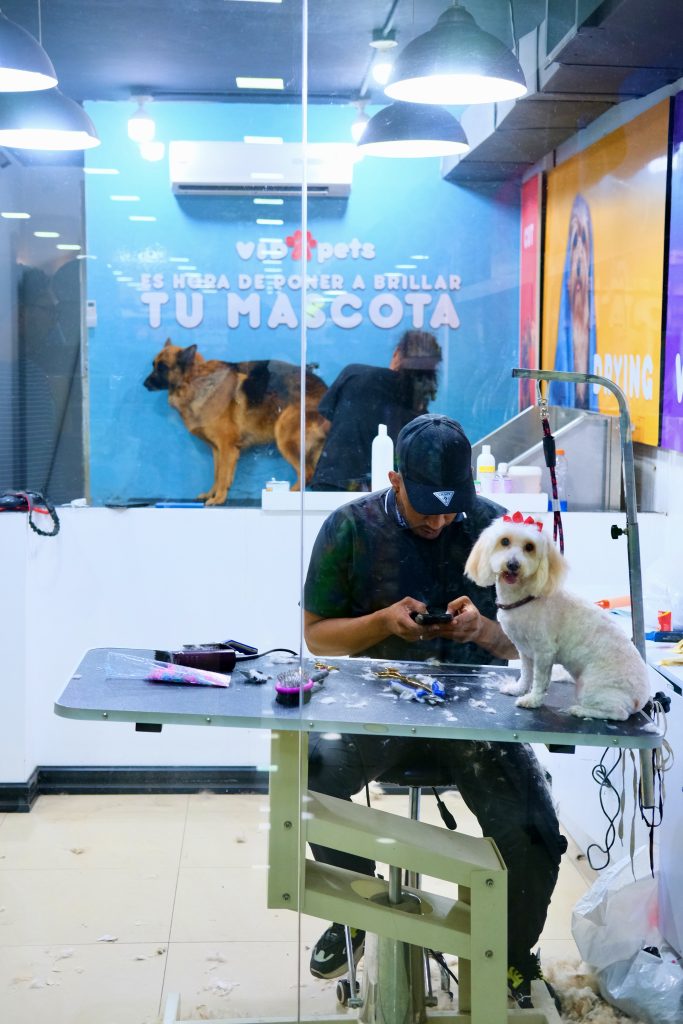
At Vida Pets in Las Mercedes, part of a chain of pet stores with several branches in four Venezuelan cities, a German Shepherd and a small white dog with a red tiara are getting pampered at the grooming salon. The store offers stylish cat carriers, Chanel-inspired handbags for dogs, dog strollers, beds that look like miniature McMansions, cat toys, hamster houses, clothing categorized by gender like a children’s store, leashes, harnesses, soaps and shampoos for different coat types, and about twenty other pet care products—ranging from brushes, gloves, and detangling combs to nail clippers and shedding combs. Right next door to Vida Pets, seemingly responding to an endless demand, is a Maxipet store: another chain, with dozens of branches in the Greater Metropolitan Area and a store in Margarita, offering services ranging from dog birthday parties to veterinary care, a coffee bar for owners waiting for their pets, and an olfactory atmosphere reminiscent of a five-star hotel lobby. Outside, a man unloads two enormous Great Danes from his truck.
“The biggest pet store chains are opening more branches and new stores are popping up everywhere,” says Sánchez. “Just by going out on the street, you realize there’s a pet store almost everywhere.” In the Parque Cerro Verde shopping center, for example, a new Japandi-style store—Archie’s Pet Shop—presents itself as a “luxury pet boutique” and shares reels about choosing an “outfit” for your dog.
The industry is also becoming more sophisticated with clothing, smart toys, adapted furniture, and accessories designed for demanding urban lifestyles. For example, Decopet—a Venezuelan brand that designs wooden pet houses and feeders, as well as artificial grass porches designed for urban living—offers a small catalog, validated by veterinarians and designed to solve specific problems for pet owners in cities full of buildings: ergonomic feeders that prevent puppies or anxious dogs like Siberian huskies from choking, ramps that allow pets to get on and off without injury, and artificial grass porches designed for buildings where taking the dog out several times a day isn’t always possible.
Today, the brand boasts nearly 60,000 Instagram followers, is included on the Cashea deferred payment app, and an immediate delivery service in Caracas with shipping throughout Venezuela. But Decopet was born almost by accident, in the midst of the pandemic, when Cristina Raffalli—then a student at Andrés Bello Catholic University—decided to sell wooden dog houses as a way to cover her tuition, which had skyrocketed just four semesters before graduation. What began as a side hustle with a mere $200 for materials and online sales now has a team of five people and products ranging from $18 to $80, including more affordable versions to reach a wider audience.
For Raffalli, her personalized products and small catalog designed for urban life were her advantage in a market saturated with repetitive options. “All these stores were competing with the same products, and I felt like the market had been neglected or taken for granted,” she says. “Everything was the same, the offerings were super repetitive: same backgrounds, same fluorescent, garish colors, the same shapes. There wasn’t much intention or creativity.”
That’s why the entrepreneur opted for the opposite approach: “to create a brand with a few products, but well-designed, with practicality and comfort for the pet, and with fast delivery.” Personalization also opened the door to unexpected uses. “I’ve made feeding rooms that end up being used by pigs, porches that end up being used by tortoises, I’ve had requests for houses for goats, things for sloths,” says Raffalli.
According to Raffalli, the Christmas holidays have become the best time of year for Decopet, because owners are increasingly “taking their pets very seriously at Christmas”—like children waiting for Baby Jesus or Santa Claus. And this same spirit of giving pets a central place in the family is also behind new brands that focus on everyday well-being, beyond just special occasions.
Today, pet food is no longer a basic necessity: instead, pet owners are looking for personalized plans, natural recipes, and scientifically formulated diets. For example, Bone Appetit disrupted a market dominated by commercial kibble and commercial dog food with a simple yet groundbreaking proposition: natural, cooked food, personalized for each pet and formulated with veterinary support.
“Venezuelan pet owners have begun to understand the importance of investing in the long-term health of our dogs and cats,” explains Adriana Selvaggio, its founder. In an environment saturated with ultra-processed products, the brand prioritized health, complementing it with personalization and a brand experience that conveys trust and approachability.
That approach translated into rapid growth. In less than a year, Bone Appetit expanded from Caracas to Maracay, Valencia, Barquisimeto, Maracaibo, and Puerto La Cruz-Barcelona-Lechería. “When the need is real, growth is a consequence,” says Selvaggio. The expansion also reflects a cultural phenomenon: Venezuela is much more than Caracas, she says, and behind the affluent residents of the capital lies a market of 3.5 million dogs and cats—according to market research consulted by the company—whose owners demand practical, nutritious, and high-quality solutions.

The brand also connects with a global trend: animal wellness. Just as humans today seek a healthier lifestyle, young owners—whether with families or on their own—want to extend that well-being to their pets. Bone Appetit offers beef, chicken, or pork recipes designed for specific needs such as allergies, weight management, or sensitive skin. Thus, for today’s owners, clinically observed benefits—such as a shinier coat, optimal digestion, and increased energy—demonstrate that it’s not just about feeding a dog, but about improving its quality of life.
The rise in popularity of all these pet luxuries has even led to some particularly local adaptations. A few years ago, Raffalli was contacted by a woman who didn’t have dogs or cats, but wanted a special feeder for the macaws that visited her window every afternoon in Bello Monte. Raffalli adapted the design so that it could be attached outwards, and since then the birds have been eating birdseed from a piece of furniture originally intended for domestic pets.
Insured to the very end
New technologies have also reached pets: GPS trackers, activity monitors, automatic feeders, and mobile apps are now part of many owners’ routines. For example, the Miveteonline platform, which began in 2017 to connect pet owners with veterinarians via telemedicine at any time, now works alongside the country’s leading insurance companies to offer pet insurance. “The insurance companies, the sales force, us, and the entire service ecosystem are constantly refining communication strategies to make the benefits of pet insurance tangible and visible,” explains Katty Sayago, CEO of the platform. For her, the key is educating responsible pet owners about the risks of not having coverage: “The math doesn’t allow for illusions; you just have to keep in mind the cost of not having your pet insured.”
Growth has been steady, with plans tailored to different budgets and coverage starting at $39.99 per year. Sayago highlights that Miveteonline has also promoted animal identification with internationally standardized microchips, building the largest database in the country in partnership with insurance companies. Looking ahead, they are working to integrate municipalities and regional governments to make microchip scanning a public policy, and in November they will launch an app that will facilitate the financing of spaying and neutering. “Our goal is to contribute to disease prevention, control overpopulation, and improve the quality of life for our beloved pets,” she concludes.
Shops for doodles, trainers for everyone
Also, with dogs and cats becoming increasingly central members of families, pet daycares, boarding facilities, in-home grooming, and dog walking and training services are in growing demand in Venezuela. According to Sánchez, a dog trainer and caregiver, owners today are looking for more than just basic obedience. Most come seeking immediate solutions—preventing play-biting, controlling furniture damage—and in the process, they discover the need for discipline. Specialized training is marginal, except in specific cases such as therapy dogs for children with autism.
“The service is migrating to something more comprehensive: clients want a complete solution that includes veterinary care, grooming, training, boarding, transportation, and food,” explains Sánchez, reflecting the market’s increasing sophistication. In fact, advanced veterinary clinics, insurance, and even alternative therapies and preventative medicine are setting the new standard for animal care in Venezuela. “The number of new veterinary clinics opening isn’t that high, but clinics are hiring more veterinarians,” says Sánchez. “Veterinarians who have been practicing for years aren’t making significant investments in the country, in equipment and all that ; there’s more growth in the number of veterinarians working within clinics.”
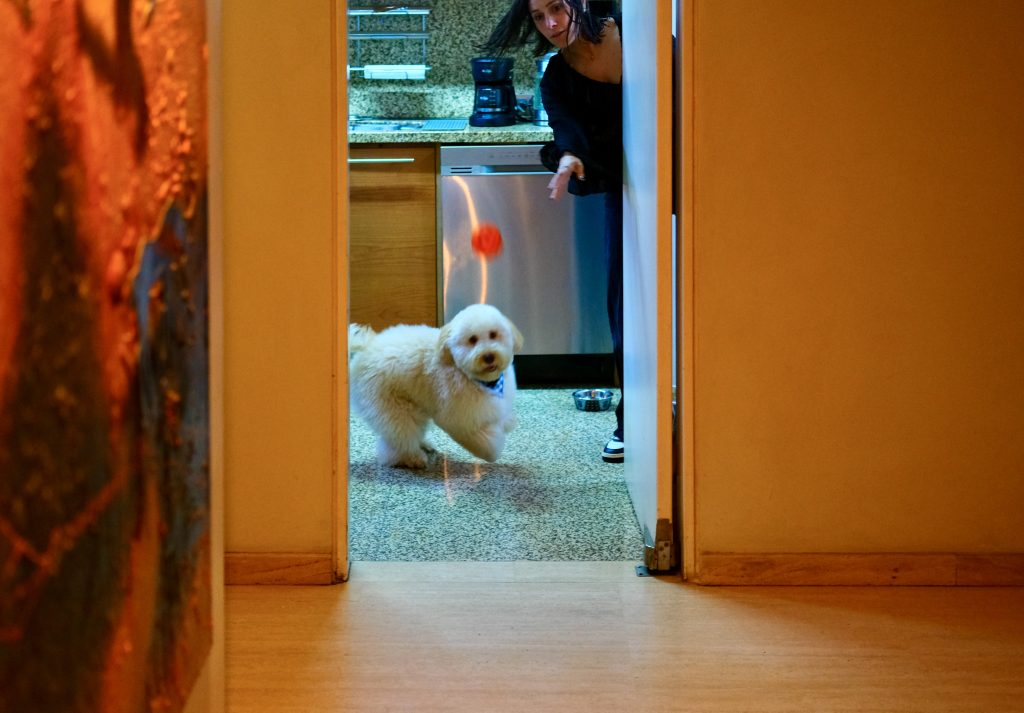
The change is also noticeable in breeds. The French bulldog dominated between 2016 and 2022 thanks to its popularity with celebrities like J Balvin, Arcángel, and Chiara Ferragni, but today the craze is for goldendoodles and other doodles (poodle mixes), a trend driven locally by figures like Sasha Fitness but with significant global impact: according to calculations by Bloomberg Businessweek, estimating the thousands of dollars it costs to maintain and purchase a puppy annually, the Doodle Economy in the United States could exceed one billion dollars. “Six out of every ten dogs I train are Goldendoodles,” says Sánchez. In the Parque Cerro Verde shopping mall, in southeastern Caracas, there’s even Doodle VIP: a store specializing in the sale, care, and advice of doodles.
Although breeds under 10 kilos predominate in Venezuela today, exotic colors and specimens imported from the United States, Colombia, Spain, and South Korea are setting the trend in a country that lost its pioneering breeders of the 2000s: according to Sánchez, the vast majority of dogs are now imported. At the same time, Caracas is seeing a proliferation of pet stores and pet-friendly spaces, to the point that—says Sánchez—”Venezuela is now ahead of Europe in terms of pet-friendliness: here, almost any place accepts dogs.”
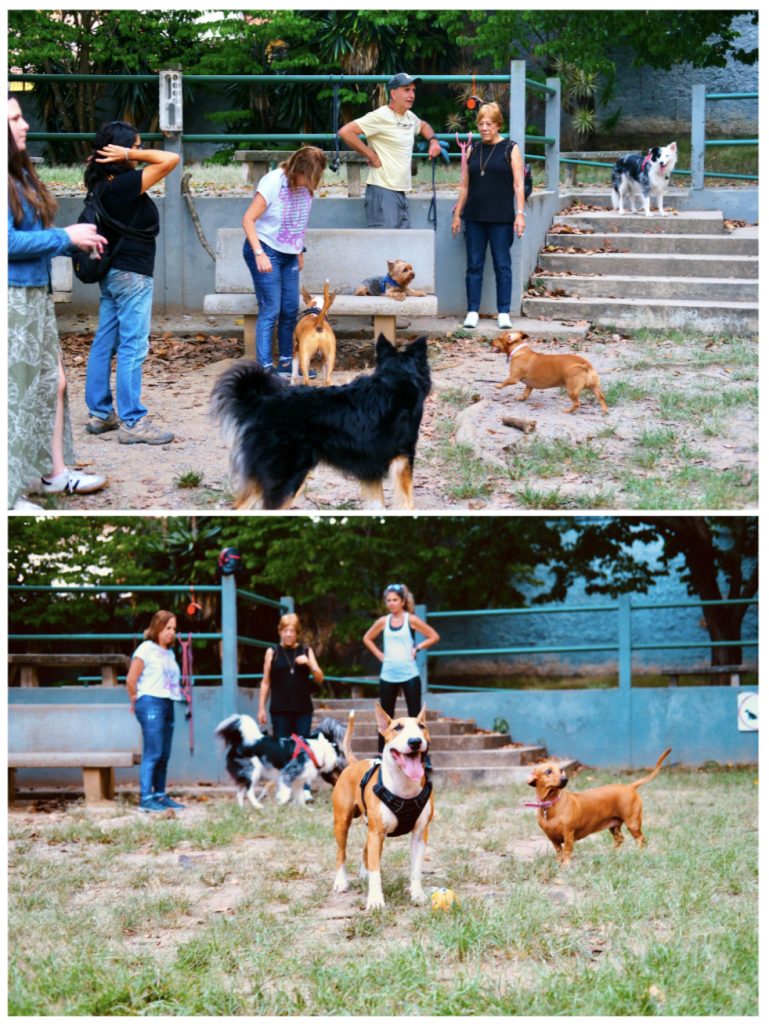
Just look around: in Caracas, not only have dog parks sprung up where owners practically network and build communities through their pets, but—as dozens of Instagram accounts demonstrate—owners of specific breeds have also formed pedigree dog clubs to organize meetups, parties, and even paddle tennis tournaments for Golden Retrievers, English Bulldogs, German Shepherds, and even Beagles. But Maracaibo takes the lead: several crematoriums, such as Saoca Huellas de Luz and El Edén Crematorio, offer cremation services for pets that have passed away. All dogs go to heaven.
“I do believe there are elements of opportunity, there is a generational change, but of course income limitations greatly limit this perspective,” says Oliveros, “it is important to build value propositions that are accessible, with attractive prices; that could create a high-growth scenario.”